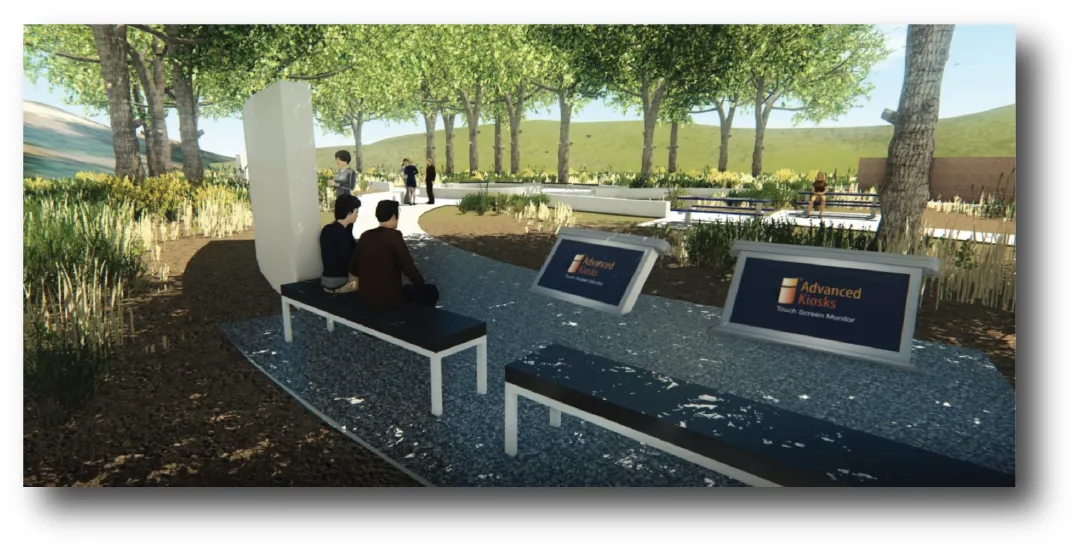
Sunrise Garden
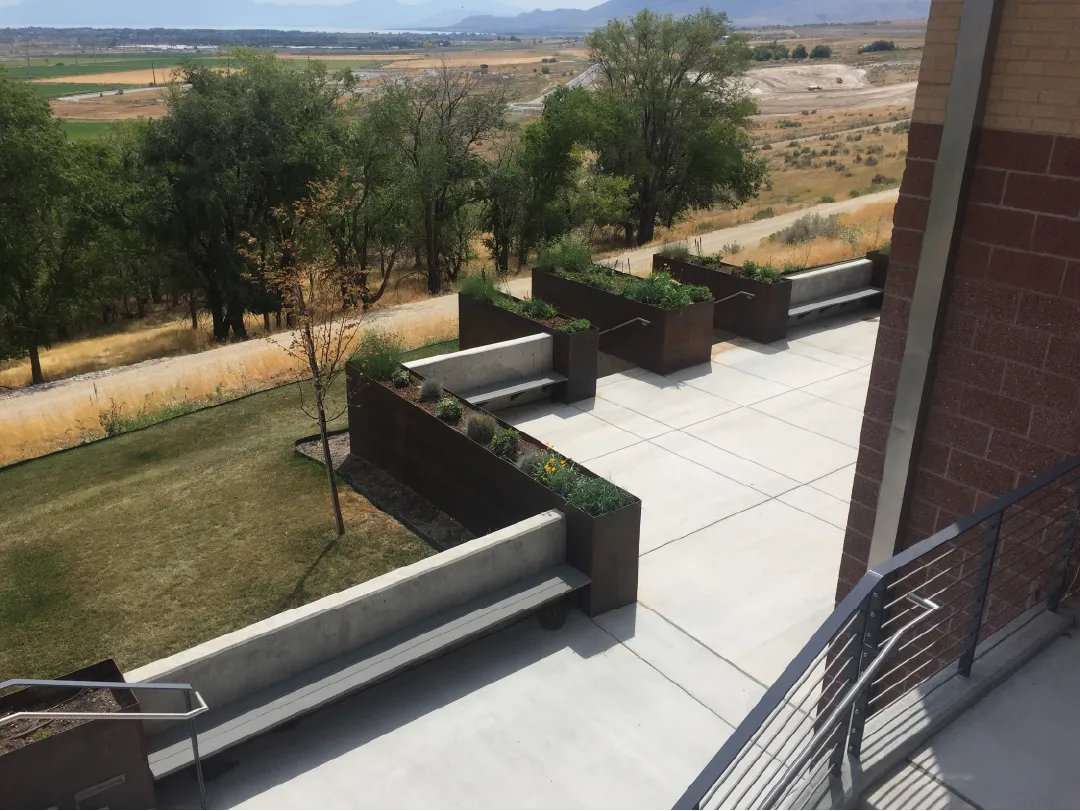
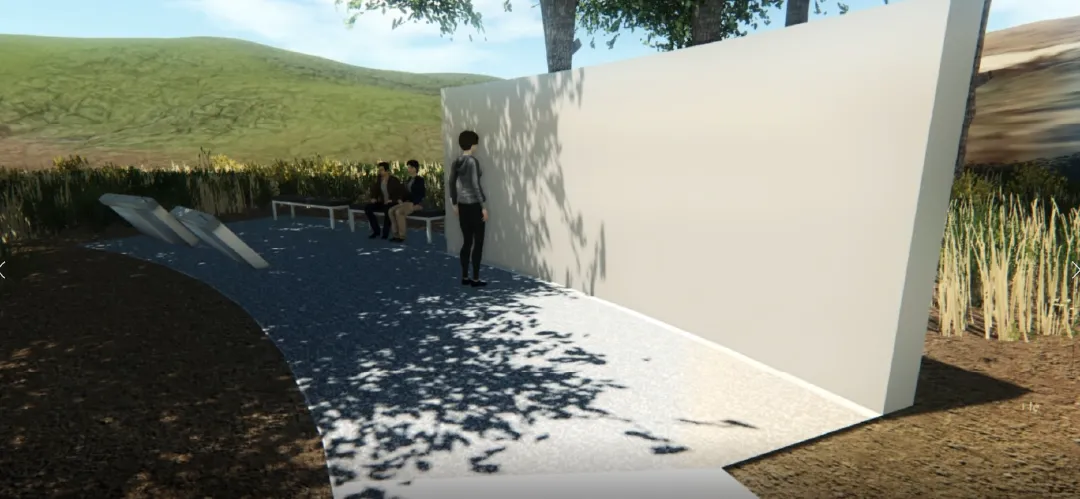
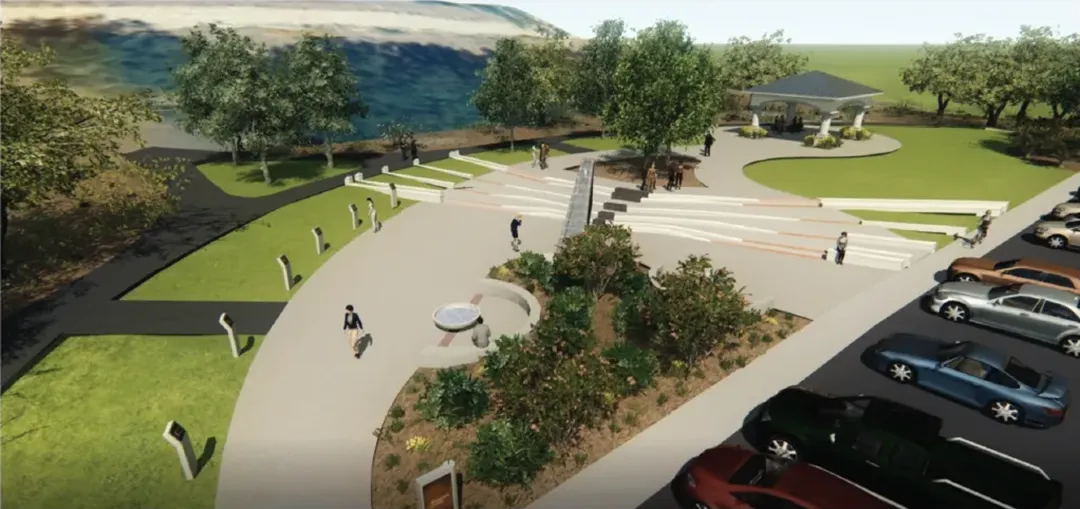
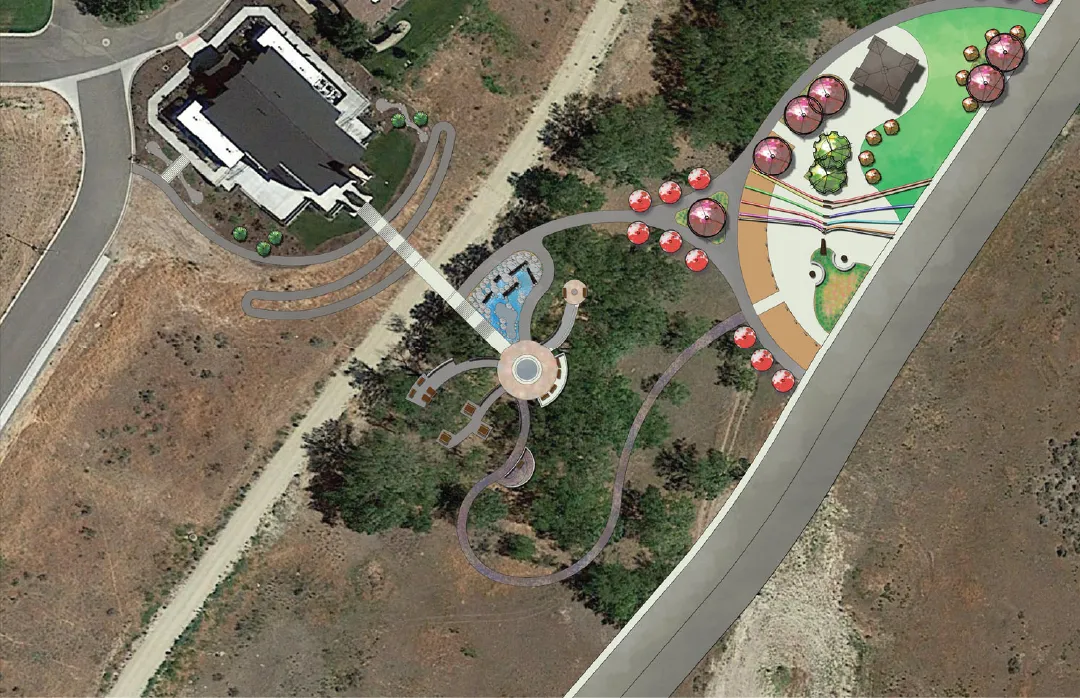
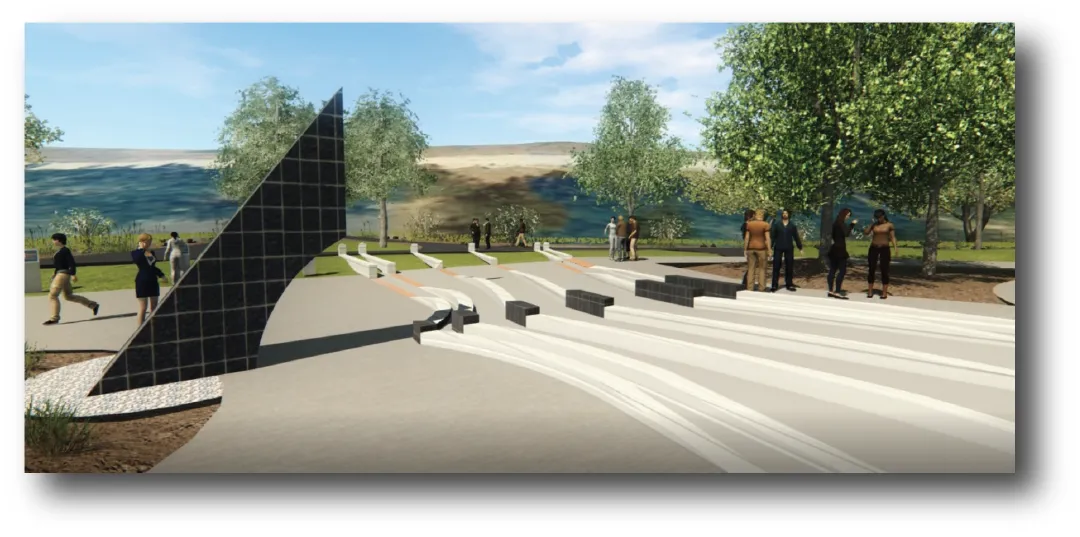
Our team had the honor of developing a design for a memorial garden located on the base. As we worked closely with officers and veterans, we developed needs and ideas that would be able to come to life through the landscape materials and site layout. Our main memorial will be incorporating the concept of shade and physical elements to highlight fallen soldiers. This gardens main use is to reflect on those who have given all for our freedoms and create peace and healing for current military and their families. The other side of the Gardens was to have “pods” that accentuate the five senses: touch, sight, sound, taste, and smell.
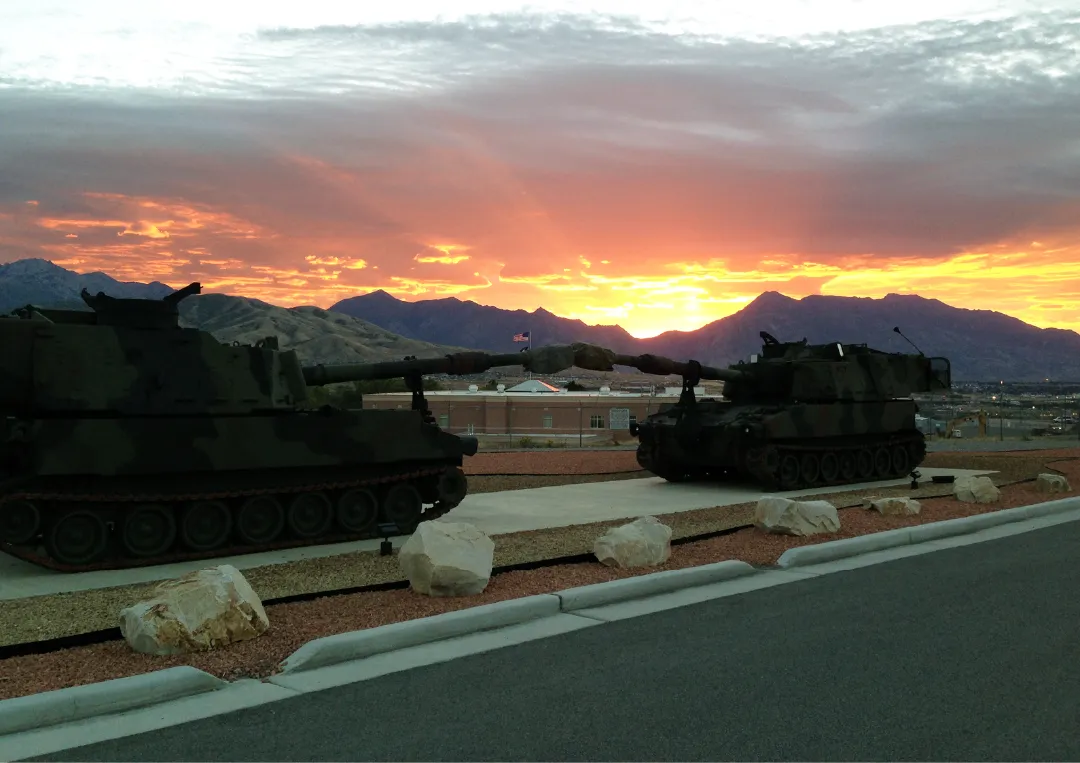
Readiness Center
Design Narrative
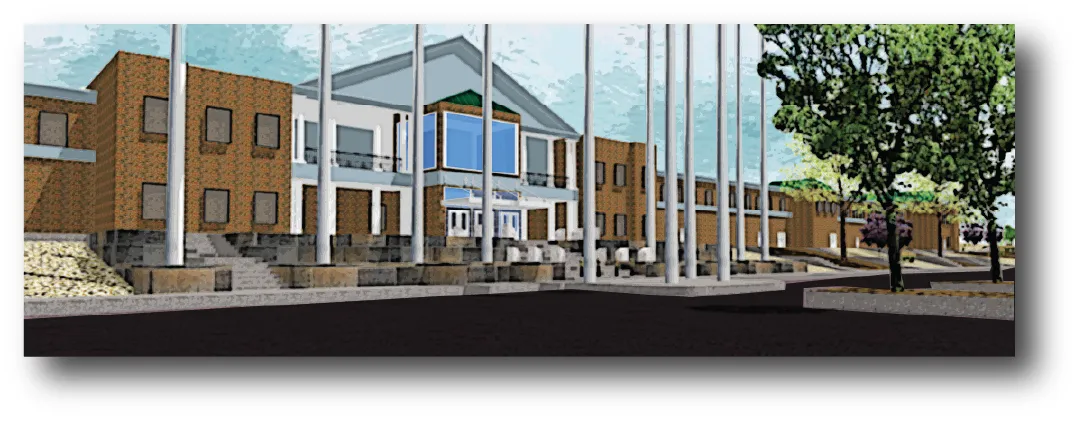
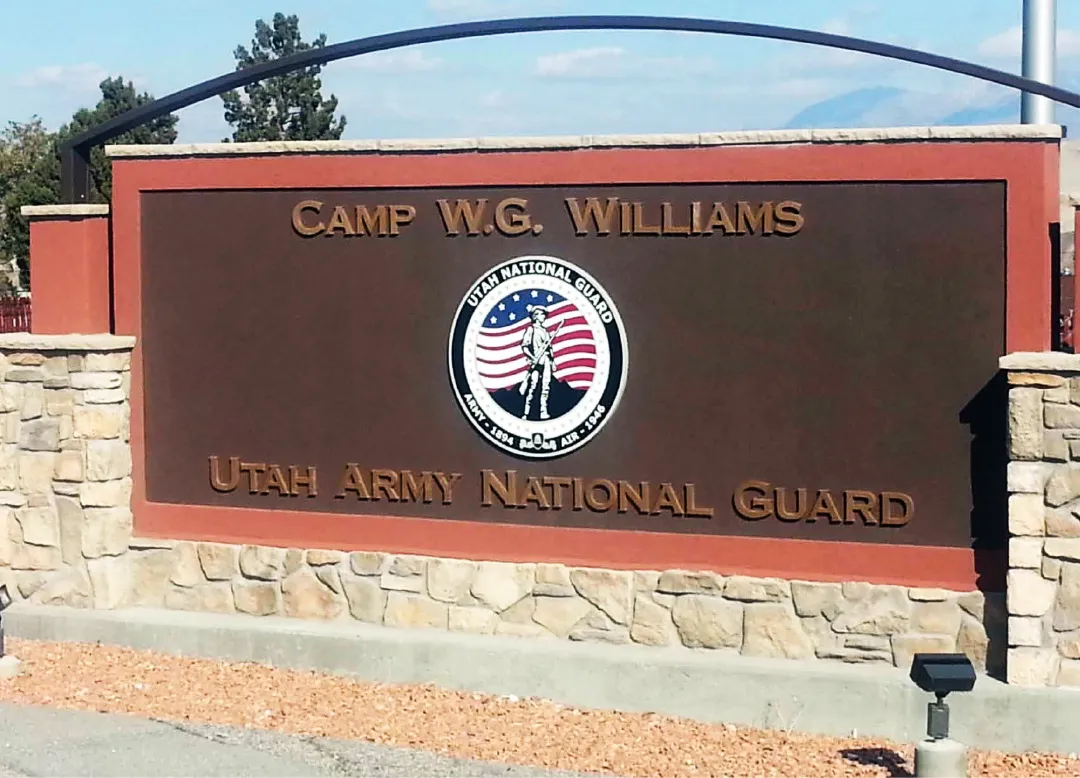
Through working with the National Guard and other team collaborators, we were able to create a state-of-the-art, multi-million-dollar LEED certified project with a low maintenance design and antiterrorism characteristics. Utah’s new premier special forces building is located at Camp Williams National Guard Base.
Anti-Terrorism
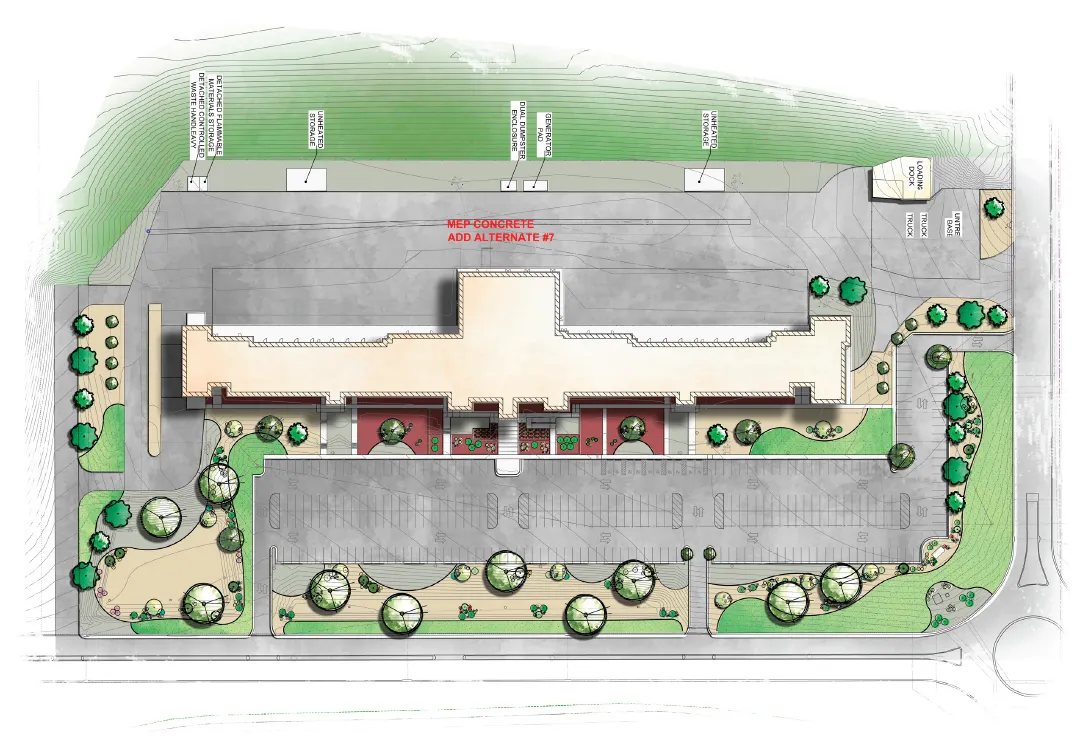
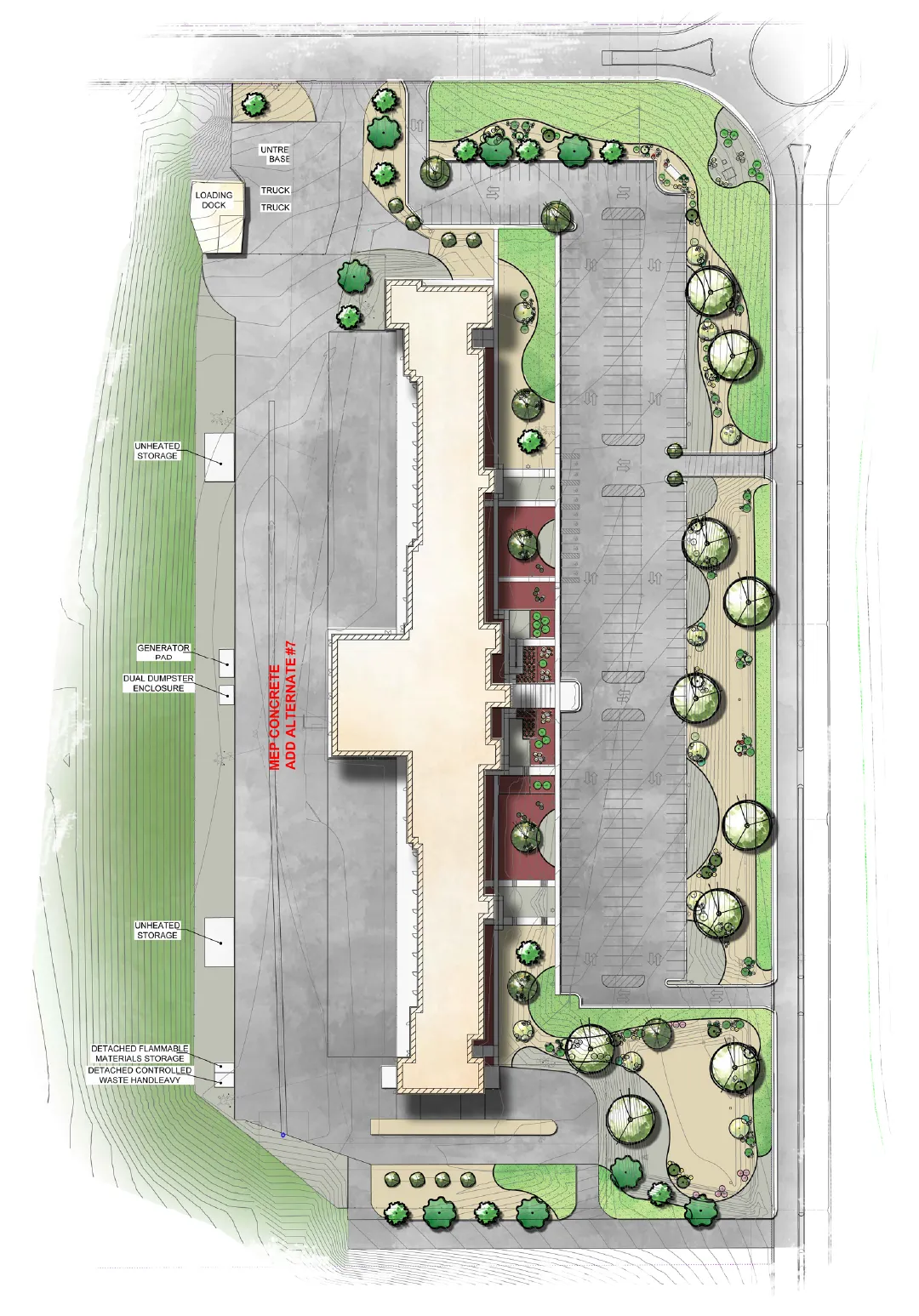
As described below in more detail, the Anti-Terrorism Force Protection Guidelines have been adhered to by creating a safe site in case there is a terrorist strike against the building. A 30’ clear zone has been left free of any trees, shrubs, or boulders. The plant material has been chosen and placed to maintain very open views into and out of the building site.
Drainage Areas
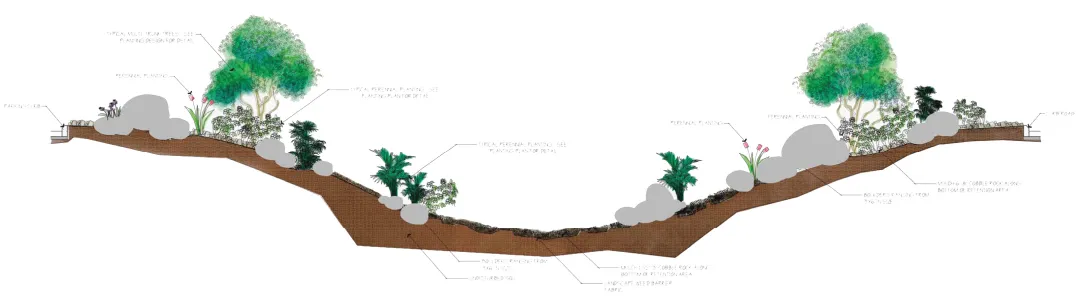
The site consists of an existing drainage retention swale area. It has been decided that there will not be any regrading in this area to reduce the environmental impact on the site. All retention areas on site have a gravel section at the bottom underneath the rock mulch. This makes it so there will be no standing water, to not promote weed growth and mosquito harvesting. Plant material in retention areas are located on the side slopes with boulders retaining the slope where planted. All trees and shrubs are grouped into clumps to produce open areas and maintain view corridors.
Low Maintenance
The landscape plan incorporates three different colors and sizes of rock in the des ign. Used both for aesthetics and functionality, the rock helps cut down on weeds and retains the slopes found in the design. The irrigation system also helps with the low maintenance of the area. This system is set up to run a point source watering system which is the most efficient and effective way to water plants. By doing this, the irrigation system has very low water use and meets the water conservation guidelines that the National Guard requires.
Irrigation Design
The irrigation design is very efficient with the point watering system described previously. The irrigation system will have pop-ups in the lawn areas and point source watering on the trees and shrubs found in the design. Although the system will be hooked up into culinary water, the system is setup to use rain water that has been captured from the roof. The use of this rain water will help reduce the impact on the culinary water system provided for the site. A tank will store the rain water and then use it for the irrigation of the site until that tank is empty.
Planting Design
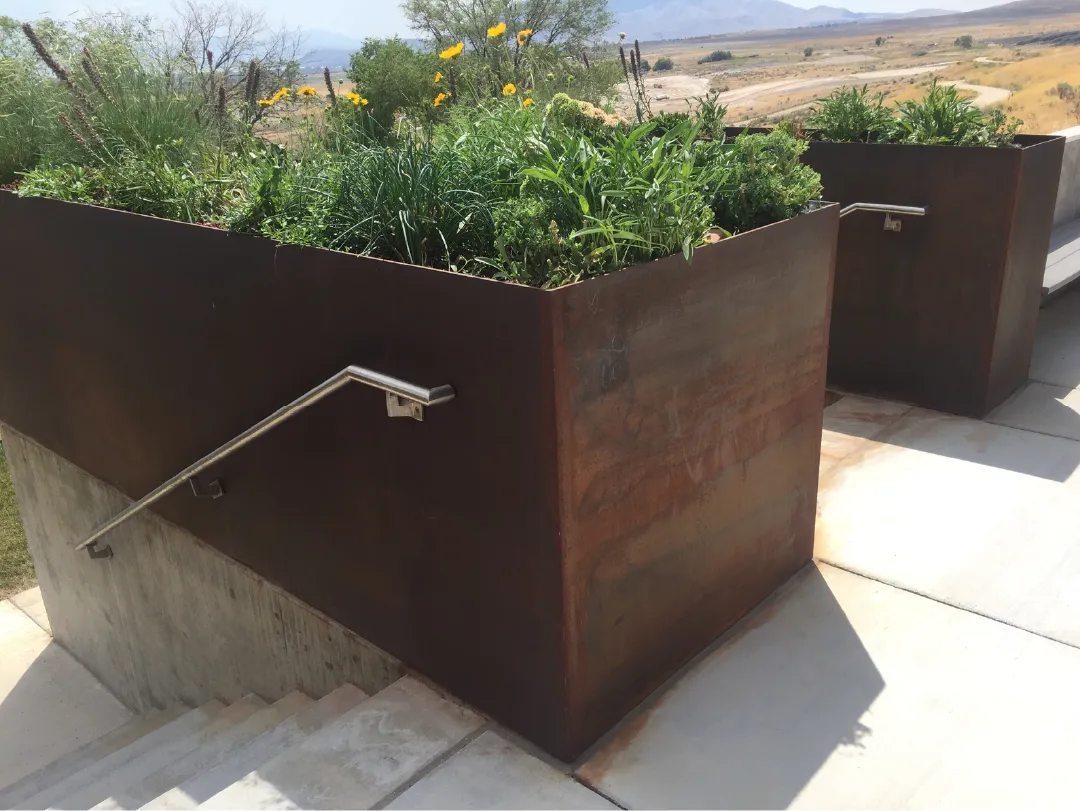
The planting used in the landscape design is made up of drought tolerant plants that can withstand Utah’s harsh climate. This plant material will withstand hot summer days, but also cold winter months. Plant material has been provided that will need minimal spraying or fertilizing, minimizing the impact to the local environment. 90% of the plant choices will only need pruning once a year and will need minimal attention.